On this page
Walking into your first wig installation appointment without knowing what to expect can make the whole thing feel more intimidating than it needs to be. Here is a straightforward walkthrough of what actually happens, so you can show up relaxed and get a result that fits well and lasts.
Before your appointment
A good installation starts before you even sit in the chair. Bring the wig itself if you already purchased one, along with any clips, combs, or adhesive you plan to use. If you have not chosen a wig yet, come in anyway, since we can talk through cap construction, density, and color matching during your consultation so you are not guessing on your own.
It helps to arrive with your natural hair clean and free of heavy product. Oily or product-heavy hair makes it harder to get a secure, flat base underneath the wig, which affects both comfort and how natural the final look appears.
What happens during the consultation
Every installation starts with a conversation, not scissors. We will look at:
- Your natural hair length, density, and how it is currently styled underneath
- The wig's cap type, since lace front, full lace, and closure wigs each install a little differently
- Whether you want a glueless method, adhesive, or a combination approach
- How you plan to wear your hair day to day, since that affects how we secure the perimeter
This is the point to speak up about anything that matters to you, whether that is sensitive skin, a preference against certain adhesives, or a specific hairline shape you are going for.
The actual installation process
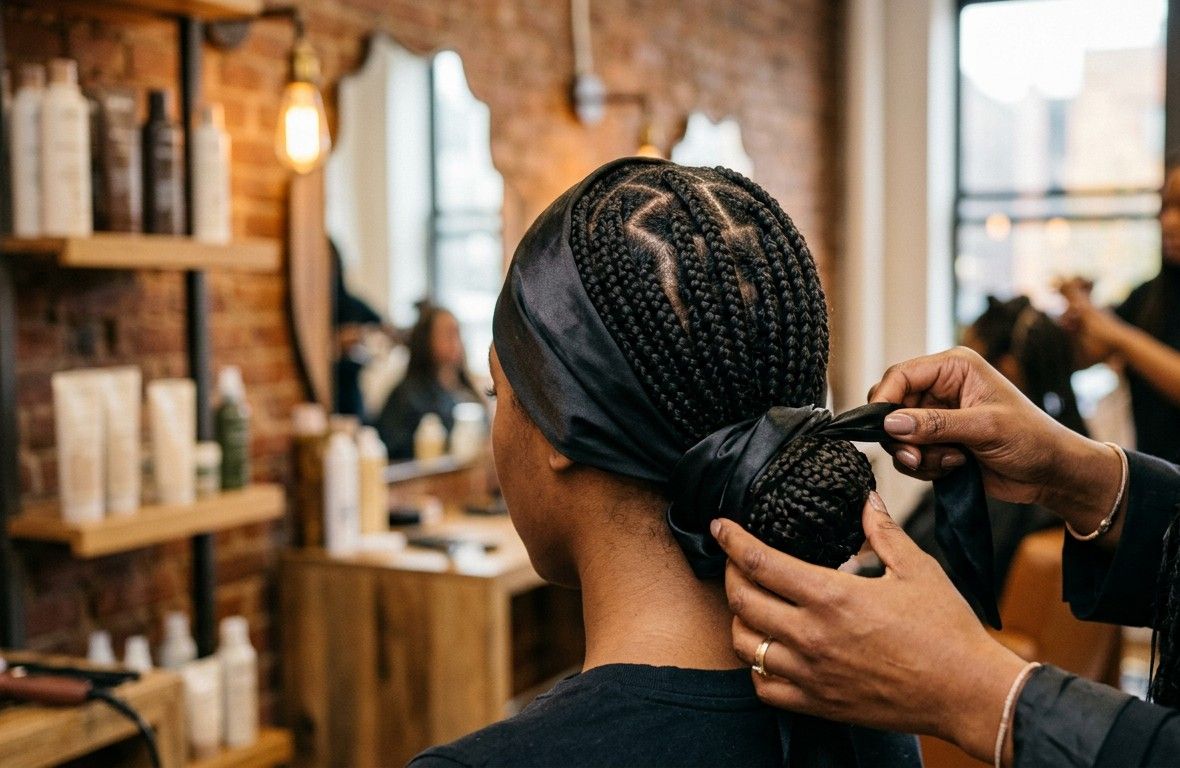
Once we have a plan, your natural hair gets prepped, usually braided down flat or laid with a protective cap underneath depending on your hair type and the wig style. The wig is then fitted, trimmed if needed around the hairline, and secured using the method agreed on in your consultation. Baby hairs, if you want them, get styled last along with any blending needed to make the hairline look natural against your skin tone.
A proper installation should never feel painful. Some tightness is normal in the first hour as your scalp adjusts, but sharp pain, pulling, or a headache that does not ease up is a sign something needs to be loosened or redone. Tell us during the appointment rather than waiting until you get home.
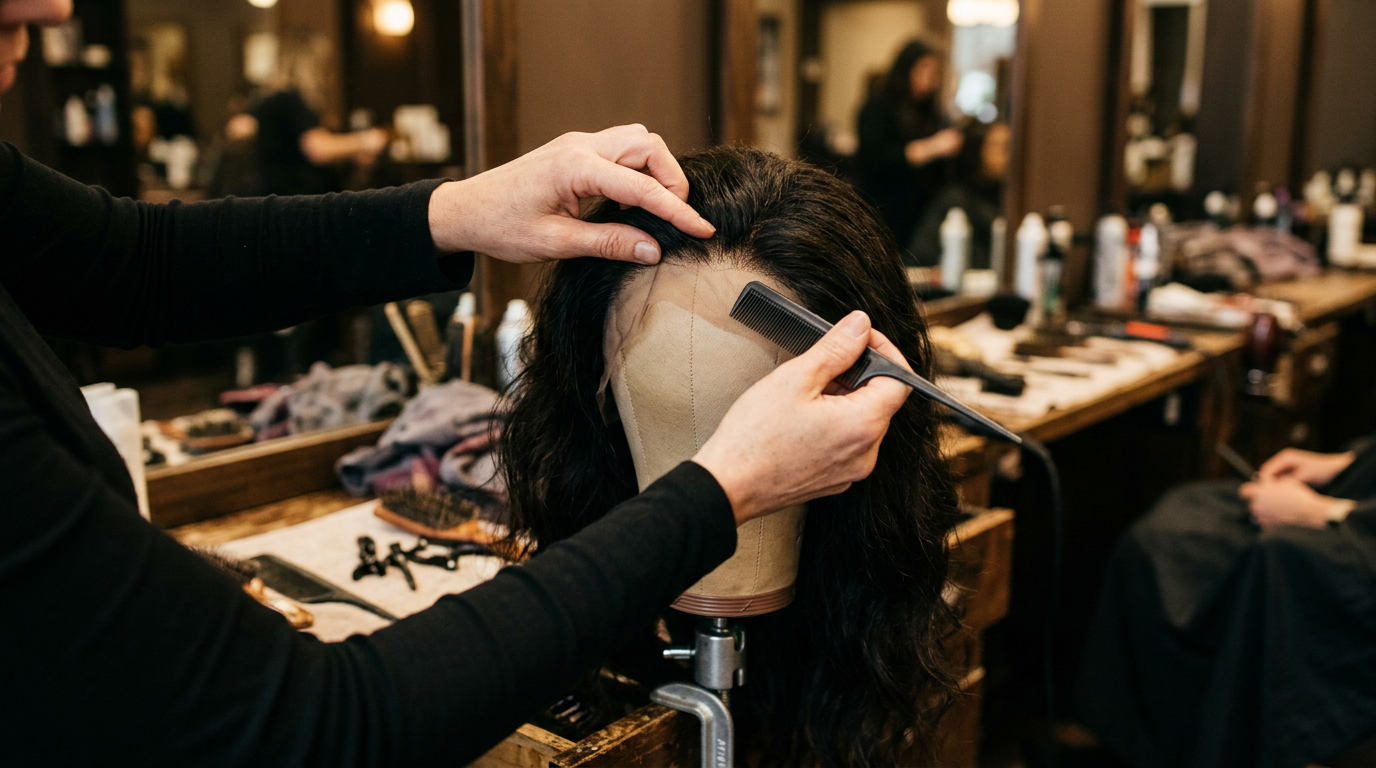
Storage matters between wears too. Keep wigs on a stand or mannequin head when not in use rather than folded in a drawer, since this helps them keep their shape and reduces tangling over time.
Caring for your wig after installation
How long an installation lasts depends heavily on aftercare. A few habits make a real difference:
- Sleep with a silk or satin bonnet or pillowcase to prevent friction and tangling
- Avoid washing the wig too frequently, since overwashing wears down the fibers faster
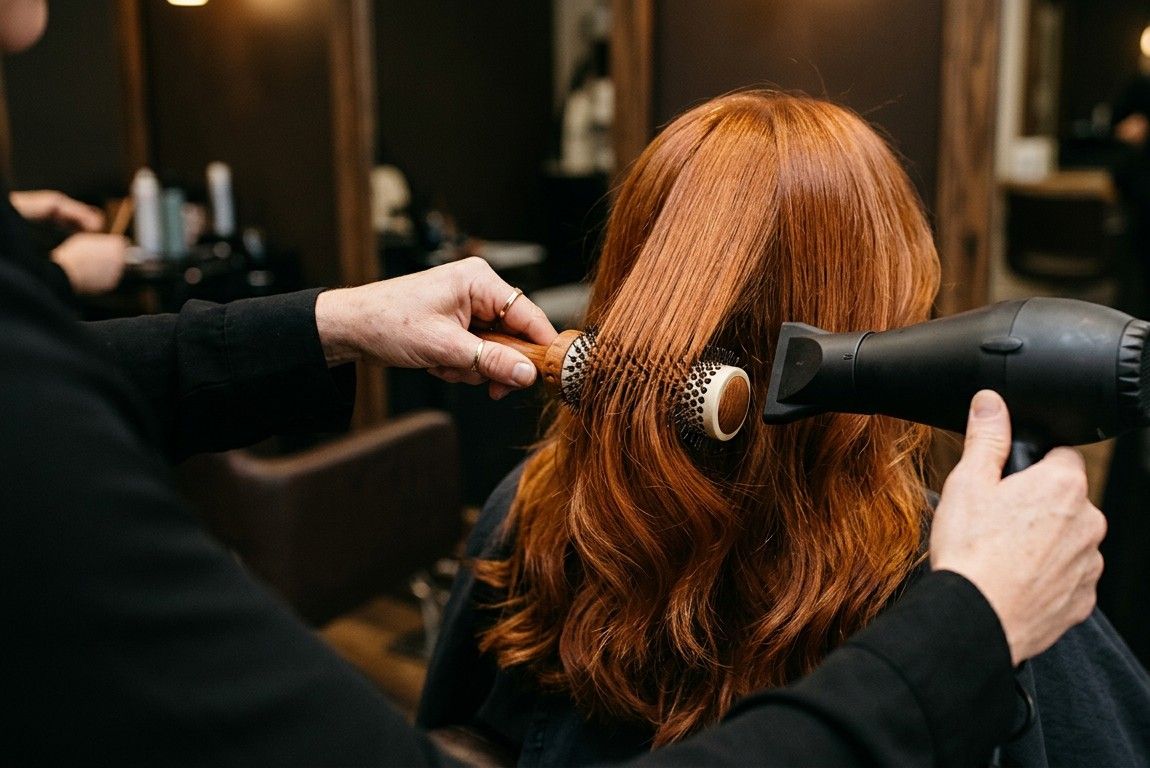
- Keep heat styling minimal on synthetic wigs, since most cannot handle direct heat the way human hair can
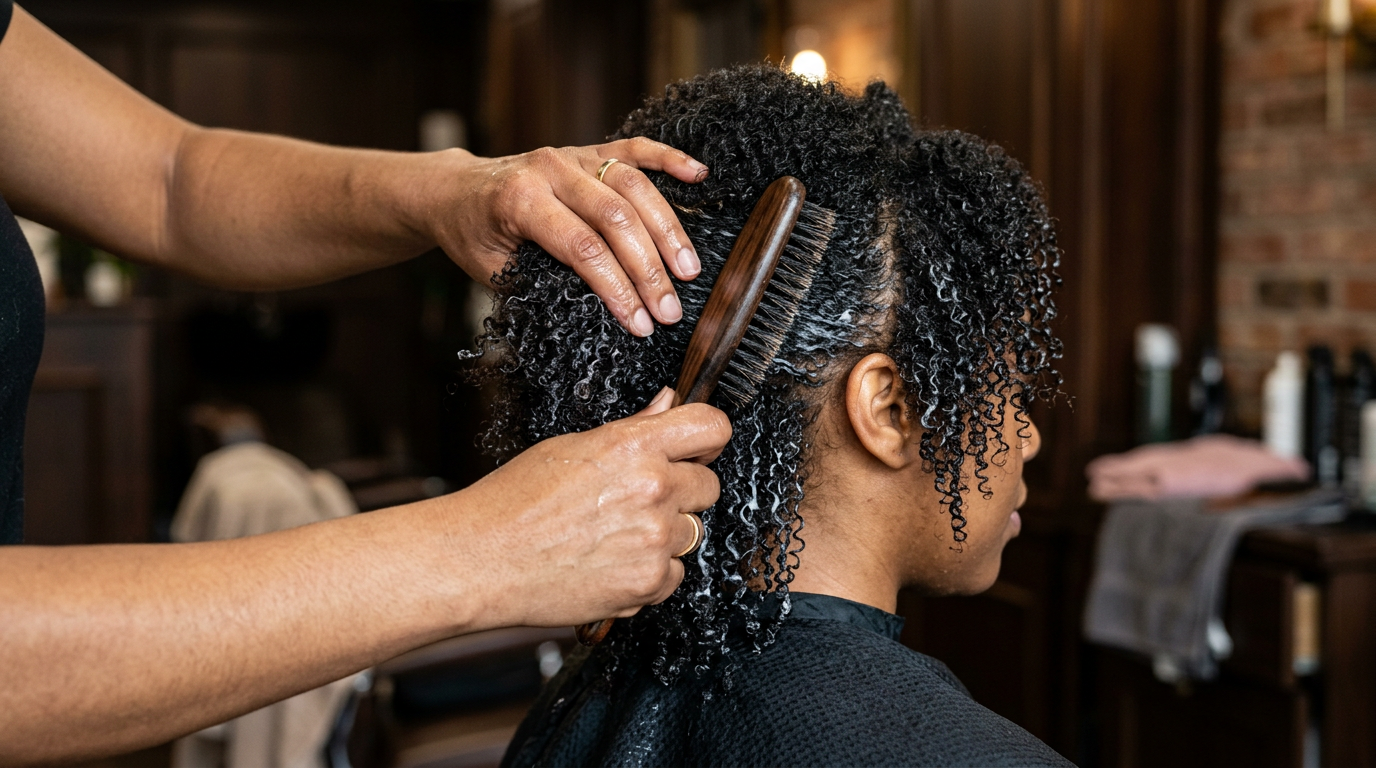
- Brush gently from the ends upward rather than pulling a brush straight through from the root
If your wig starts lifting at the edges or shifting during the day, do not try to re-glue it yourself with whatever is in the house. Come back in and we can reset it properly, which protects both the wig and your natural hairline underneath.
Choosing between synthetic and human hair wigs
Part of the consultation often comes down to synthetic versus human hair, since the two behave very differently day to day. Synthetic wigs hold their style through humidity and rain without needing much upkeep, but they cannot handle heat styling and tend to have a shorter overall lifespan. Human hair wigs cost more to maintain but can be washed, heat styled, and colored much like your natural hair, which gives you more flexibility if you like to change your look often.
Neither option is wrong, it depends on how much time you want to spend on maintenance and how often you plan to switch styles. If you are unsure, bring both options up during your consultation and we can talk through which fits your lifestyle better.
Questions worth asking at your consultation
A few questions up front make the whole appointment smoother. Ask whether your wig needs to be customized before the install, such as plucking the part, bleaching the knots, or cutting the lace, and whether that happens on the same day. Ask what kind of hold will be used, glue, tape, or a glueless method with bands or combs, and how each one affects your edges and how long the install lasts. Ask how your natural hair will be prepared underneath, since the braid-down or wig cap matters for both comfort and a flat, natural look. And ask what you should do at home to keep the lace clean and the hairline lying flat between visits.
When to book a touch-up or reinstall
Most installations need a touch-up or reinstall somewhere between two and six weeks out, depending on your adhesive method and how fast your natural hair grows. Signs it is time include visible lifting along the hairline, excessive shedding from the wig itself, or your natural hair underneath feeling matted or neglected.
If you are new to wigs, we genuinely recommend starting with a consultation rather than trying to figure it out alone, especially if you are deciding between adhesive and glueless methods. Our braids, wig installations and extensions service covers everything from first-time installs to regular maintenance appointments.
We have fitted wigs for clients across Brooklyn and the surrounding area for years, and the appointments that go best are always the ones where the client asked questions up front. Call 718-856-7575 or send us a text to set up your first appointment, and we will walk you through everything in person.
Written by