On this page
A maintenance routine for textured hair does not need to be complicated to work. It needs to be consistent and matched to what your hair actually does, which is different for everyone. Here is a realistic weekly approach that holds up even on busy schedules.
Start with an honest look at your hair's needs
Textured hair ranges widely, from loose waves to tight coils, and each pattern holds and loses moisture differently. Tighter curl patterns tend to need more frequent moisture because the natural oils from your scalp have a harder time traveling down the hair shaft. If your hair feels dry within a day or two of washing, that is usually a sign you need more moisture between washes, not necessarily a different shampoo.
Pay attention to how your hair responds through the seasons too. Brooklyn winters dry hair out fast with indoor heating, while summer humidity can cause frizz and shrinkage even in healthy hair. Adjusting your routine seasonally, rather than sticking to one method year-round, makes a bigger difference than most product switches.
There is no single routine that works for every texture, so treat this as a starting structure to adjust based on how your hair actually responds over a few weeks.
A realistic weekly routine
You do not need a ten-step routine to keep textured hair healthy. A simple structure that actually gets followed beats an elaborate one that gets skipped:
- Cleanse once a week or every other week with a gentle shampoo, focusing on the scalp rather than scrubbing the lengths
- Deep condition every wash day, especially if your hair feels dry or has been recently colored or chemically treated
- Moisturize and seal every two to three days between washes using a light leave-in followed by a small amount of oil
- Protective style or low-manipulation style overnight, since constant brushing and restyling causes more breakage than almost anything else
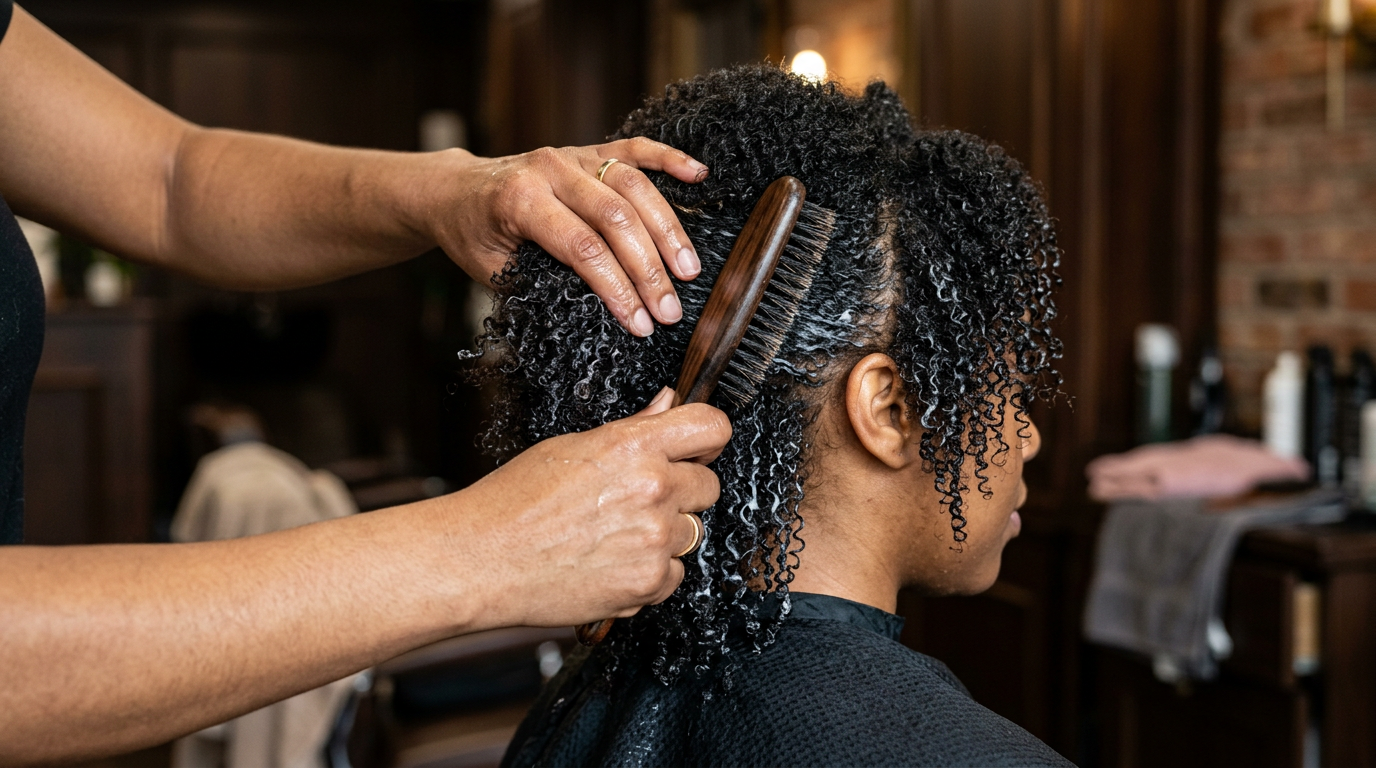
Detangling matters more than people realize. Always detangle on damp hair with a leave-in conditioner or detangler applied first, working from the ends up toward the roots in small sections. Dry detangling is one of the fastest ways to cause breakage in textured hair.
Product buildup is another quiet culprit. Heavy creams and butters layered day after day without a proper cleanse can leave hair looking dull and feeling coated rather than moisturized. If your hair stops responding to products the way it used to, a clarifying wash followed by a fresh moisture routine often resets things better than switching products entirely.
Common mistakes that undo good routines
A few habits quietly sabotage otherwise solid routines:
- Washing too often with harsh shampoo, which strips natural oils faster than your scalp can replace them
- Skipping trims, which lets split ends travel up the hair shaft and cause more breakage over time
- Using too much heat without a protectant, especially on fine or chemically treated textured hair
- Sleeping on cotton pillowcases or without any protective covering at all
If you color-treat your hair on top of a textured hair routine, the moisture needs go up, not down. Color and chemical treatments open the hair cuticle, so skipping deep conditioning afterward is one of the fastest ways to end up with dry, brittle strands.
Protective styling without overdoing it
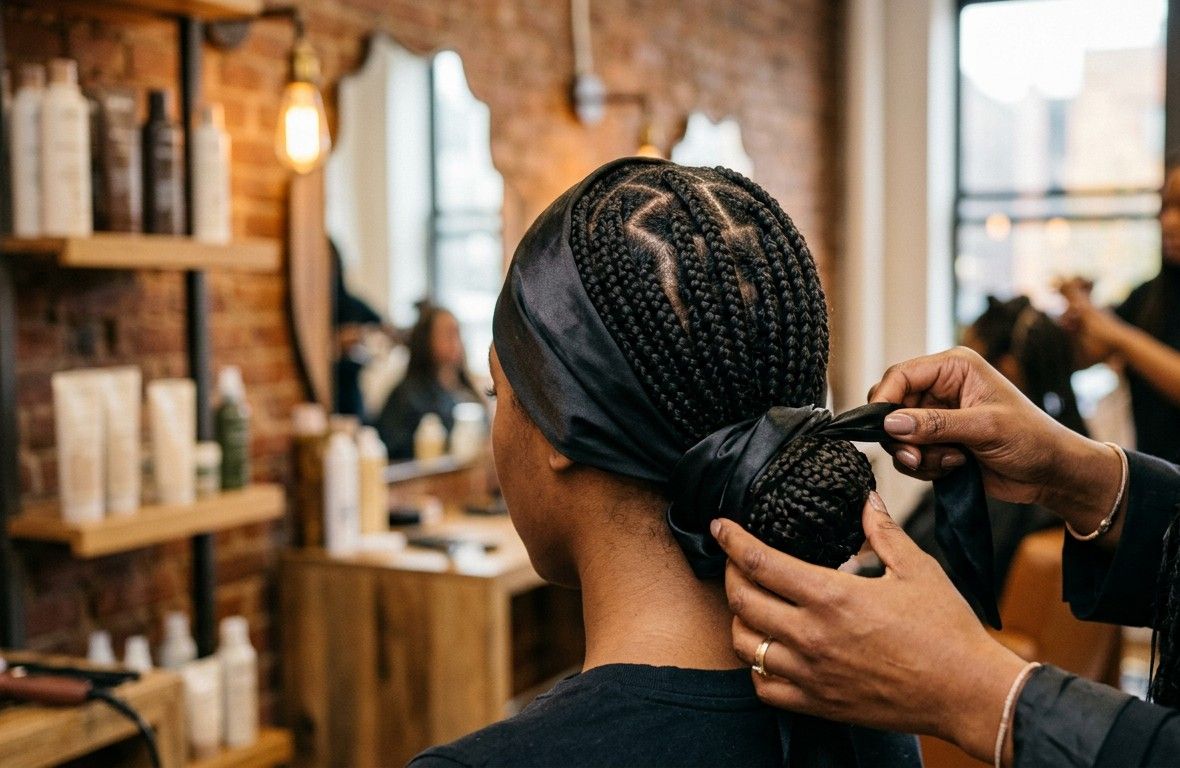
Protective styles like twists, braids, or buns can reduce daily manipulation and help textured hair retain length, but they are not a substitute for moisture and care underneath. A protective style left in too long, or installed too tightly, can cause just as much damage as no protective styling at all. Treat the style as a tool within your routine, not a replacement for it, and keep moisturizing your scalp even while it is in.
Rotating between a few low-manipulation styles throughout the month, rather than relying on one constant style, also gives different sections of your scalp a break from repeated tension in the same spots.
Trims and professional check-ins
Even a great at-home routine cannot fully replace a periodic professional trim. Split ends do not heal on their own, and a trim every eight to twelve weeks keeps breakage from working its way up healthy hair. It is also a good opportunity for us to check your scalp condition and flag anything that at-home care alone will not fix.
If your hair feels consistently dry no matter what you try, or you are seeing noticeable thinning or bald patches, that is worth a professional look rather than more trial and error at home. Those symptoms sometimes point to something beyond a product issue.
A simple weekly rhythm to start from
If you are not sure where to begin, a basic weekly rhythm is easier to keep than a long list of products. Pick one wash day a week, or every ten days if your hair stays moisturized longer, and use it to cleanse, condition, and detangle in sections. Add a deep conditioning treatment every second or third wash day rather than every time. On the days in between, refresh only where the hair feels dry, usually the ends, with water or a light leave-in, then seal with a small amount of oil or butter. Protect the hair at night with satin. After a month, look at what is working and adjust one step at a time, so you can tell what actually made the difference.
Booking a consultation
Every client's texture, porosity, and history with color or chemical treatments is different, which is why we start every appointment with a real conversation about what your hair has been through. Our haircuts and styling and hair coloring and treatments services both begin this way, so you leave with a routine that actually fits your hair rather than a generic one.
If you want a second opinion on your current routine or it has been a while since your last trim, give us a call at 718-856-7575 or send us a text. We have been working with textured hair in Brooklyn since 1990, and we are always happy to talk through what is and is not working for you.
Written by
Terrance Dowden
Owner, Level 1 Beauty Lounge
More about our team